


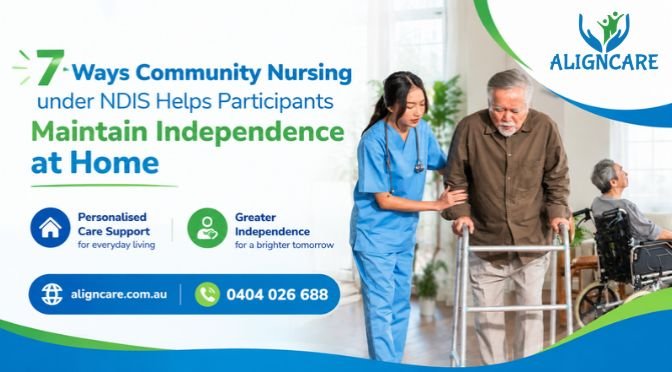
Living with a disability shouldn’t mean losing your independence or freedom. Community nursing in Canberra brings qualified healthcare professionals directly to your home. This means you receive expert medical support while staying in your familiar, comfortable environment. The National Disability Insurance Scheme (NDIS) can fund these clinical nursing supports when they are reasonable and necessary and directly related to your disability.
1. Managing Complex Wound Care at Home
Professional nurses provide specialised wound dressing changes and healing support. They identify infections before they become serious problems. NDIS nursing services in Canberra can help prevent complications that could lead to hospital visits when the wound care is disability-related. Regular wound monitoring ensures faster healing and better recovery outcomes.
2. Supporting Medication Management
Taking multiple medications can feel overwhelming and confusing. Registered nurses help organise and administer medicines correctly. They track medication side effects and inform your doctor about changes.
Note: The NDIS does not fund the cost of medications themselves (these are generally covered by the Pharmaceutical Benefits Scheme or Medicare); it may fund nursing time for administration or supervision linked to your disability.
3. Catheter and Continence Care
Managing catheter care requires proper technique and knowledge. Skilled nurses provide clean catheter management to prevent infections. They also assist with continence support and personal hygiene. This care maintains your dignity while protecting your health at home.
4. Respiratory Monitoring and Support
Some participants need help managing respiratory conditions like asthma or COPD. Community nurses monitor your breathing and oxygen levels. They teach you and your carers warning signs to watch for. Early detection prevents serious breathing emergencies.
5. Enteral Feeding Support and Management
PEG feeding and stoma care require specialist nursing knowledge. Nurses ensure feeding tubes work correctly and safely. They check for blockages, infections, or nutrition problems. Disability nursing care in Canberra includes complete feeding support when it is disability-related.
6. Helping Reduce Unnecessary Hospital Readmissions
Regular clinical monitoring by community nurses can help catch health issues early and may reduce the risk of avoidable hospital admissions. Nurses coordinate with your doctor about any concerns. Home nursing in Canberra supports participants to stay safer at home when ongoing clinical needs are met.
7. Coordinating Comprehensive Health Oversight
A registered nurse NDIS in Canberra acts as your healthcare coordinator. They work with doctors, therapists, and support workers together. This team approach means nothing gets missed. Unified care helps you achieve your personal health and independence goals.
Why Independence Matters in Your Own Home
Your home is your sanctuary and personal space. Professional nursing care respects your choices and personal autonomy. You remain in control of your daily life and decisions. Community health support in Canberra empowers you to live as independently as possible.
Accessing NDIS Community Nursing Support
Contact your Support Coordinator to discuss nursing needs. A nurse will complete a clinical nursing assessment and care plan at your home (or via other arrangements). This assessment determines the hours and support type you need. Your NDIS plan can then include these supports if they meet the reasonable-and-necessary criteria.
Conclusion
Community nursing under the NDIS transforms lives by enabling independence at home. Whether you need wound care, medication management, or comprehensive health oversight, skilled nurses provide the support you deserve. You don’t have to choose between safety and independence anymore.
Ready to enhance your independence with professional nursing care? Contact Align Care today to discuss your needs and explore how community nursing can support your goals.
📞 Phone: 0404 026 688
📧 Email: admin@aligncare.com.au
🌐 Website: https://aligncare.com.au/
Let Align Care help you live the independent, healthy life you deserve in your own home.
Frequently Asked Questions
1. What types of nursing tasks can be covered by NDIS funding?
The NDIS may fund clinical nursing tasks such as complex wound care, medication administration or supervision (where clinical skill is required), catheter care, and respiratory or enteral feeding support. These must relate directly to your disability and meet the reasonable-and-necessary criteria. The NDIS does not fund the cost of medications themselves.
2. How do I know if I’m eligible for NDIS community nursing services?
You need an active NDIS plan, and the nursing supports must be assessed as reasonable and necessary and related to your disability. Your Support Coordinator can help gather evidence and discuss whether nursing is appropriate for your disability-related health needs.
3. What’s the difference between a support worker and a community nurse?
Support workers assist with daily living activities like cooking and shopping. Nurses perform clinical tasks that require professional qualifications and registration with AHPRA.
4. Can community nursing help me stay out of residential aged care?
Yes, professional nursing support can enable many people to remain living independently at home rather than moving into residential care, depending on individual circumstances and the supports available.
5. How often will a nurse visit my home?
Visit frequency depends on your individual needs and what is funded in your plan. Some people receive more frequent visits while others need weekly or less frequent support.
6. Does NDIS community nursing include weekend and after-hours support?
This varies by provider. Some offer extended or 24/7 options while others work standard business hours. Discuss availability with your chosen nursing provider.
7. What happens during a nursing assessment at my home?
The nurse reviews your medical history, current medications, and daily routines related to your clinical needs. They observe your home environment and identify any relevant safety or care issues. This assessment informs your personalised nursing care plan.
8. Can community nurses help coordinate care with my doctor and specialists?
Yes. Nurses commonly communicate with your medical team. They can provide updates about your health progress and any emerging concerns.
9. How is community nursing different from hospital nursing?
Hospital nursing treats acute illnesses, often for short periods. NDIS community nursing focuses on ongoing disability-related health needs to support independence at home.
10. What if my nursing needs change during my NDIS plan year?
You can request a plan review if your circumstances change significantly. Your Support Coordinator can help assess whether increased or different nursing support is needed.


